产品中心

Products

Follow us.:Home> Shanghai Cronus surface modification equipment for powder materials

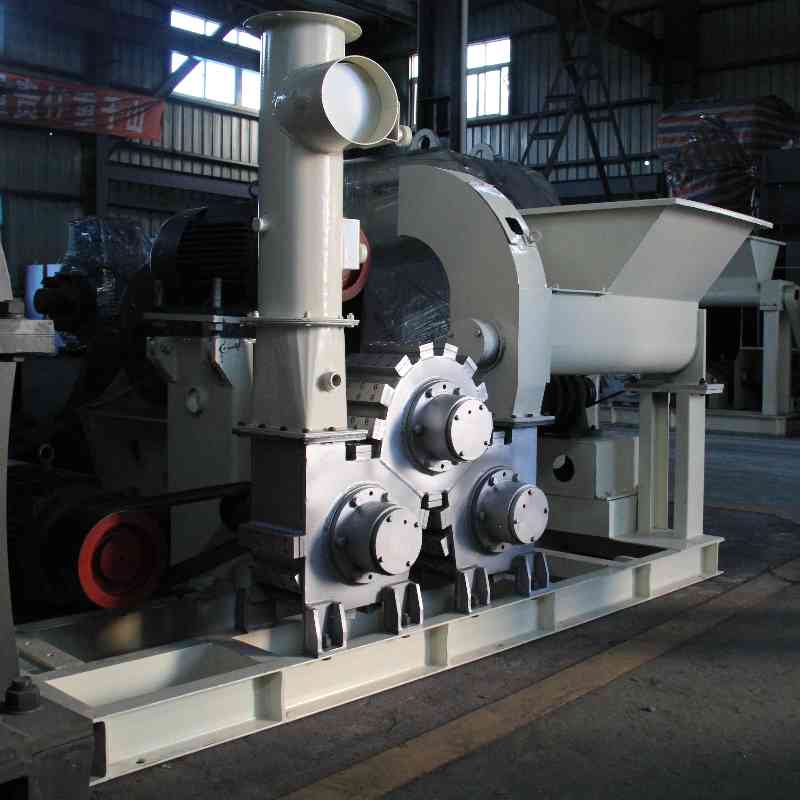
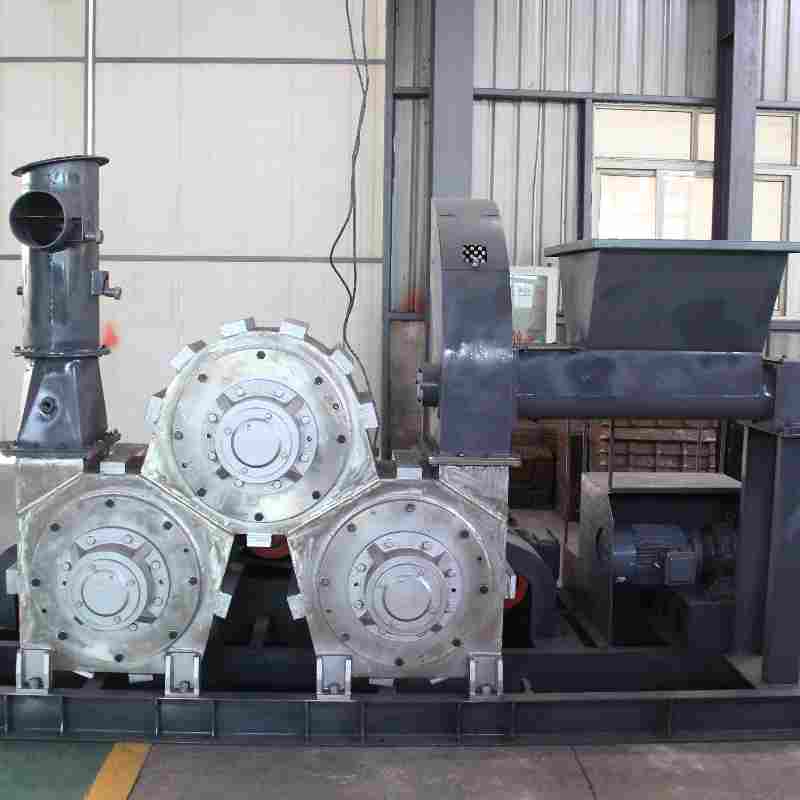
Shanghai Cronus surface modification equipment for powder materials

Shanghai Cronus surface modification equipment for powder materials

product details

powder surface modification 


machinesurface modification

Application scope:

Non-metallic mineral fillers or pigments such as plastics, rubber, adhesives, etc.
Materials: Kaolin, talc, wollastonite, quartz powder, mica, white carbon black, titanium dioxide, zinc oxide, aluminum oxide, magnesium hydroxide, barium sulfate, illite, pyrophyllite, tremolite and other mineral powder surface modification

Product features

The modification machine is an inevitable product of modern high technology and new materials development. It is widely applied in industries such as non-metallic mineral fillers or pigments (like plastics, rubber, adhesives, etc.) for modern polymer materials, polymer-based composite materials, functional materials, and coatings.

After the mineral powder is modified, it can not only significantly improve the compatibility between inorganic mineral fillers and organic polymer polymers, enhance the interfacial bonding force, and increase the mechanical strength and comprehensive performance of the material, but also greatly increase the filling amount of the powder filler and reduce production costs. At the same time, it can endow the product with certain special physical and chemical properties. However, the interface performance between most common non-metallic mineral materials and organic polymer matrix is different, with poor compatibility. Direct or large-scale filling will lead to a decline in some mechanical properties of the material.

Therefore, surface modification of inorganic mineral fillers is extremely important. The unique modification cavity design of the modification machine combines modification and depolymerization functions and is suitable for the modification of various materials, such as heavy and light calcium carbonate, various kaolins, talc, wollastonite, quartz powder, mica, white carbon black, titanium dioxide, zinc oxide, aluminum oxide, magnesium hydroxide, barium sulfate, illite, leaf talc, and tremolite, etc., all of which have excellent surface modification effects.

Equipment Technical Parameters

 Model Main Motor Power (kW) Grinding Mill Power (kW) Spindle Speed (rpm) Output (kg/h) Weight (ton) Dimensions (mm)
CLG-200D3×4 kW2.2 kW5700 rpm40-150 kg/h1 ton3200×600×2200 mm
CLG-3/300D3×18.5 kW5.5 kW4500 rpm500-1800 kg/h3 ton5800×1800×5600 mm
CLG-3/600D3×37 kW15-22 kW2700 rpm2000-4000 kg/h10 ton11200×3100×6200 mm
CLG-3/900D3×75 kW45 kW2000 rpm4000-7000 kg/h20 ton21000×3800×6500 mm

The structure composition of the modification machine

  1. Hopper: The materials directly flow from the silo into the hopper. The moisture content of the materials should be less than 0.5%.
  2. Feeding device: It adopts a twin-screw feeding system with adjustable speed, which can ensure the stability of the material flow.
  3. Temperature-controlled dosing system: Temperature is automatically controlled, and the melting temperature of the reagent can be set arbitrarily. It is suitable for various solid and liquid forms of modified reagents.
  4. Modified Host: The modified host is composed of three trapezoidal modified cylinders. It has a compact structure, high modification efficiency, and operates smoothly and reliably.
    Matters to be noted during the operation of the modification machine
    The influence of impurities: The impurities of non-metallic powders mainly include the original impurities of the raw materials and the impurities generated during the processing. While controlling the impurity components of the raw materials, it is also necessary to consider the pollution issues of the processing equipment and the problem of impurity removal, etc.
  5. The selection of surface modification agents for the modification machine surface. In the surface modification work of non-metallic powders, the selection of surface modification agents is of great significance.

The working principle of the modification machine

The powder raw materials are conveyed to the atomization chamber above the main machine through the feeding and conveying system. During the conveying process, the heating device specially designed for the feeding and conveying machine heats and dries the powder. Meanwhile, the solid type modifier is heated and melted into a liquid state in the dedicated heating container, and then is conveyed through the conveying pipeline to the atomization chamber.

The atomization chamber is equipped with two sets of nozzles. One set consists of four nozzles distributed at different positions on the inner wall of the atomization chamber. Their function is to blow the powder materials sent by the conveying system into a mist-like state. At this time, the raw materials and the modification machine form a mist-like state. Due to the effect of the airflows sprayed from the two sets of nozzles in different directions, they can be fully mixed, and thus enter the main body.
The main unit is composed of a high-speed rotating shaft, stirring rods, impact hammers, etc.

The atomized materials entering the main unit are subjected to high-speed stirring by the stirring rods, and are affected by impacts, friction, and shearing forces. This enables the powder particles and the modifier to have sufficient contact and mixing, and at this point, the powder material has been fully coated and modified.

The modified materials are conveyed by a screw conveyor to the finished product collection bin. During the air flow transportation process, the excessive heat in the materials is absorbed by the conveying air flow, and then it is filtered through a bag filter and discharged outdoors. After the finished products enter the collection bin, they can be cooled to a temperature suitable for storage.

05